
Showing posts with label Tech News. Show all posts
The Best Nokia Phones of All Time
“With the Launch of Nokia 6 in Chinese Market Nokia is back with a Bang with Registrations of 25 lakh Mobiles within 60 secs.We take a look at some of the most iconic Nokia mobile phones ever”
Nokia reigned as the king of the phone industry for a long period of time, before it eventually withered away and moved into the annals of cellphone history. While waiting for the next chapter in the Nokia’s book to unfold, we decided to travel back in time and take a look at some of the most iconic phones from the brand which we wouldn’t mind buying even today. So, grab some tissues as a wave of nostalgia is about to hit you.
Nokia 8110

Remember the scene in the first Matrix movie where Neo was escaping from agents in his office whilst talking to a mysterious man on a mobile phone? Well, the person Neo was talking to was Cypher and the phone he used was the Nokia 8110, which made news back in the day owing to its unique slider design which could be used to answer or end calls.
Nokia 3310
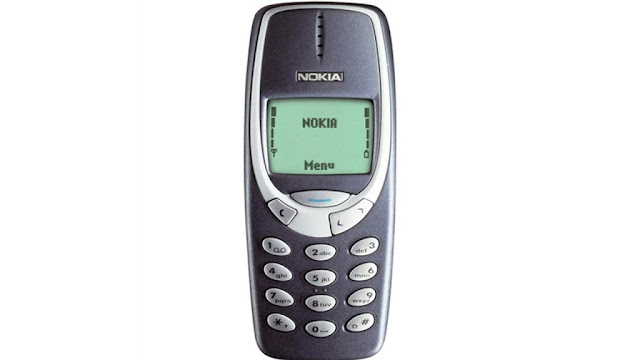
Not a lot of people had a mobile phone back in 2000, but if you did, chances are it was the Nokia 3310. Perhaps the most popular Nokia device, the 3310 still holds the benchmark for a smartphone’s durability and is extensively used in a host of internet memes even today. Regardless of how good mobile games might be today, they still fall short of the hours of fun Snake II had to offer.
Nokia 6600

The 6600 was a quirkily designed Nokia mobile phone which garnered huge success. Be it the ginormous VGA camera on the back or the support for Bluetooth and infrared, the 6600 had it all back in the day. Not to mention, the device came with a joystick instead of a D-pad which was compatible with certain games as well.
Nokia Communicator E90

Nokia revamped its iconic communicator series with the E90 which sported a laptop-like profile and dual-displays. The idea was that the smartphone could be used as a normal mobile phone with the flap closed and could offer extra room to enhance productivity with the larger 4-inch display that was housed within.
Nokia N95
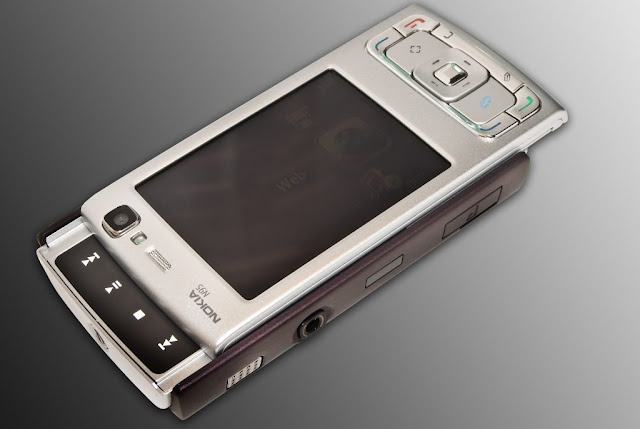
Nokia’s answer to Apple’s iPhone came in the form of N95, the most powerful smartphone for the year 2007. The device came with features like GPS along with a 5MP camera which was way ahead of its time. Toting a dual-slider form factor and support for 3.5G, the N95 was the biggest threat to Apple’s iPhone and a ‘flagship killer’ before the term was cool.
Nokia N900

The first and the only phone to run Linux-based Maemo OS, the Nokia N900 combined the productivity of the communicator series with the media-centric approach taken by the N series.
Nokia Pureview 808
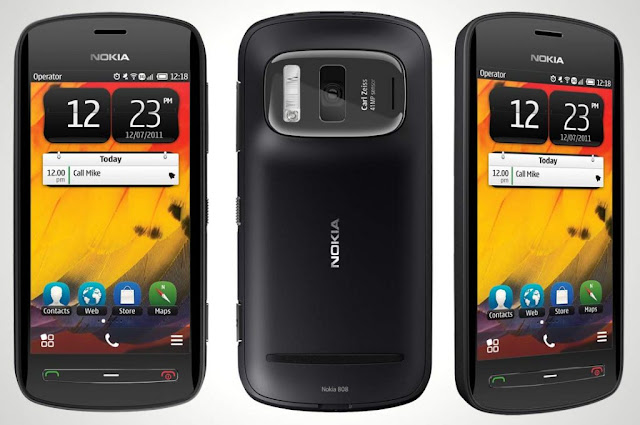
The USP of Nokia’s Pureview 808 was the massive 41MP camera sensor at the back, which to this date, is the biggest sensor to be housed within a smartphone. Aided with Pureview technology and Carl Zeiss optics, the device was capable of shooting some incredible stills. However, booting Symbian OS in 2012 made the 808 outdated before one could even open the box it shipped in.
Nokia X7

One of the frontrunners of Nokia’s Symbian^3 OS which was later renamed to Anna and then to Belle, the X7 brought some refreshing changes to the software side of things with support for portrait keyboard and improved browser experience.
Nokia E71

The iconic E series from Nokia was aimed to give business professionals something other than a Blackberry to gawk about. Jacketed in a metallic body, the E71 quickly became a fan favourite owing to its optimised email and messaging support. While not as media-centric as the N95 or the N97, the E71 still came with support for Wi-Fi, 3G and A-GPS.
Nokia 5800
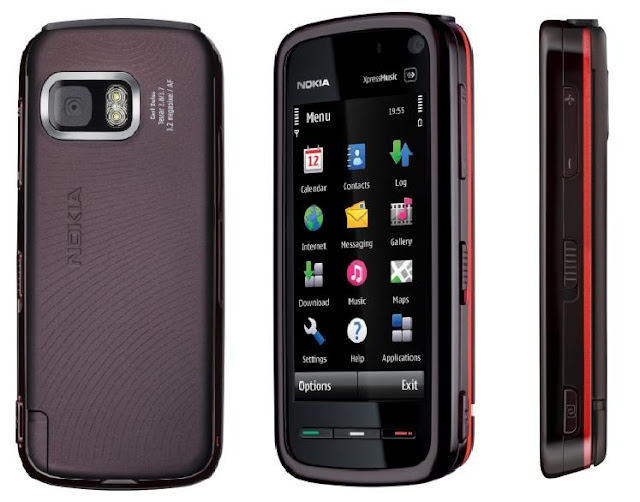
The phone which made a debut on the big screen with Christopher Nolan’s Dark Knight was the first all-touch smartphone from Nokia which came with an optimised version of the Symbian OS. The mobile phone was a huge hit in the Indian market and shipped with a 3.2MP autofocus camera with a Carl-Zeiss lens.
Nokia reigned as the king of the phone industry for a long period of time, before it eventually withered away and moved into the annals of cellphone history. While waiting for the next chapter in the Nokia’s book to unfold, we decided to travel back in time and take a look at some of the most iconic phones from the brand which we wouldn’t mind buying even today. So, grab some tissues as a wave of nostalgia is about to hit you.
Nokia 8110
Remember the scene in the first Matrix movie where Neo was escaping from agents in his office whilst talking to a mysterious man on a mobile phone? Well, the person Neo was talking to was Cypher and the phone he used was the Nokia 8110, which made news back in the day owing to its unique slider design which could be used to answer or end calls.
Nokia 3310
Not a lot of people had a mobile phone back in 2000, but if you did, chances are it was the Nokia 3310. Perhaps the most popular Nokia device, the 3310 still holds the benchmark for a smartphone’s durability and is extensively used in a host of internet memes even today. Regardless of how good mobile games might be today, they still fall short of the hours of fun Snake II had to offer.
Nokia 6600
The 6600 was a quirkily designed Nokia mobile phone which garnered huge success. Be it the ginormous VGA camera on the back or the support for Bluetooth and infrared, the 6600 had it all back in the day. Not to mention, the device came with a joystick instead of a D-pad which was compatible with certain games as well.
Nokia Communicator E90
Nokia revamped its iconic communicator series with the E90 which sported a laptop-like profile and dual-displays. The idea was that the smartphone could be used as a normal mobile phone with the flap closed and could offer extra room to enhance productivity with the larger 4-inch display that was housed within.
Nokia N95
Nokia’s answer to Apple’s iPhone came in the form of N95, the most powerful smartphone for the year 2007. The device came with features like GPS along with a 5MP camera which was way ahead of its time. Toting a dual-slider form factor and support for 3.5G, the N95 was the biggest threat to Apple’s iPhone and a ‘flagship killer’ before the term was cool.
Nokia N900
The first and the only phone to run Linux-based Maemo OS, the Nokia N900 combined the productivity of the communicator series with the media-centric approach taken by the N series.
Nokia Pureview 808
The USP of Nokia’s Pureview 808 was the massive 41MP camera sensor at the back, which to this date, is the biggest sensor to be housed within a smartphone. Aided with Pureview technology and Carl Zeiss optics, the device was capable of shooting some incredible stills. However, booting Symbian OS in 2012 made the 808 outdated before one could even open the box it shipped in.
Nokia X7
One of the frontrunners of Nokia’s Symbian^3 OS which was later renamed to Anna and then to Belle, the X7 brought some refreshing changes to the software side of things with support for portrait keyboard and improved browser experience.
Nokia E71
The iconic E series from Nokia was aimed to give business professionals something other than a Blackberry to gawk about. Jacketed in a metallic body, the E71 quickly became a fan favourite owing to its optimised email and messaging support. While not as media-centric as the N95 or the N97, the E71 still came with support for Wi-Fi, 3G and A-GPS.
Nokia 5800
The phone which made a debut on the big screen with Christopher Nolan’s Dark Knight was the first all-touch smartphone from Nokia which came with an optimised version of the Symbian OS. The mobile phone was a huge hit in the Indian market and shipped with a 3.2MP autofocus camera with a Carl-Zeiss lens.
Instagram Layout Review
Instagram launches Layout, a standalone app for your photo collages
Now you can delete those dodgy third-party apps from your smartphone

The number of photo collages being uploaded to Instagram must have made Facebook sit up and take notice, because they've decided to launch an official Instagram app specifically to make franken-images.
Available now on iOS (an Android version will be released soon,can't say about Windows Phone), Layout differs from other collage-making apps before it by allowing more creative freedom. It's also much more polished and intuitive, which makes sense given it has Facebook's billions behind it. In fact, it's probably the best collage app around, right off the bat. Unless you actually prefer tacky frames and stickers, that is.
Instead of limiting users to fixed collage templates, Layout lets you customise arrangements based on how many photos you want in your collage, up to a limit of nine.
Besides being able to select from your phone's camera roll, it also included a Faces tab to display only photos of people, and a Recent tab for photos you've used Layout with, should you want to narrow down your options. It's not just images already on your phone though. There's also a Photo Booth option to make collages snap-by-snap so you can further tailor the overall look.

From there, it's just a matter of picking the basic configuration you want from an extensive selection, tweaking the images' position, size, and allocated space, and saving it to your camera roll. It's all really easy, with familiar gestures and grid lines.You also have the option of using the flip or mirror tools to add some creativity, so feel free to go nuts and fake your own twin or whatever.
You can then share your collage to Instagram and Facebook directly - with the former helpfully going straight to the filters selection screen - or to the iOS share sheet for use with other apps.
Seeing as it's only 10.5MB to install, we don't really know why Instagram hasn't baked Layout into its main app. Perhaps they're aiming to gauge users' reactions before making the call.
Now you can delete those dodgy third-party apps from your smartphone
The number of photo collages being uploaded to Instagram must have made Facebook sit up and take notice, because they've decided to launch an official Instagram app specifically to make franken-images.
Available now on iOS (an Android version will be released soon,can't say about Windows Phone), Layout differs from other collage-making apps before it by allowing more creative freedom. It's also much more polished and intuitive, which makes sense given it has Facebook's billions behind it. In fact, it's probably the best collage app around, right off the bat. Unless you actually prefer tacky frames and stickers, that is.
Instead of limiting users to fixed collage templates, Layout lets you customise arrangements based on how many photos you want in your collage, up to a limit of nine.
Besides being able to select from your phone's camera roll, it also included a Faces tab to display only photos of people, and a Recent tab for photos you've used Layout with, should you want to narrow down your options. It's not just images already on your phone though. There's also a Photo Booth option to make collages snap-by-snap so you can further tailor the overall look.
From there, it's just a matter of picking the basic configuration you want from an extensive selection, tweaking the images' position, size, and allocated space, and saving it to your camera roll. It's all really easy, with familiar gestures and grid lines.You also have the option of using the flip or mirror tools to add some creativity, so feel free to go nuts and fake your own twin or whatever.
You can then share your collage to Instagram and Facebook directly - with the former helpfully going straight to the filters selection screen - or to the iOS share sheet for use with other apps.
Seeing as it's only 10.5MB to install, we don't really know why Instagram hasn't baked Layout into its main app. Perhaps they're aiming to gauge users' reactions before making the call.
Microsoft Unveils Windows 10

Microsoft unveiled the first details of its Windows 10 operating system Wednesday, which they say will span devices from PCs and game consoles to smartphones and tablets.
Terry Myerson, Microsoft's executive vice president of the company's operating systems group, says the latest rendition of Windows focused on "more personal computing."
Myerson says Windows 10 targets three pillars: "mobility of the experience," trust and "the right interaction at the right time," hinting the platform can be controlled by mouse, touch or even gaze.

Among the new features is the introduction of a successor to the Internet Explorer Web browser, dubbed Project Spartan. The browser, which will work across multiple devices, includes a note-taking feature for annotating webpages, a reading mode and built-in support for PDF files.
The Start menu appears to be a hybrid of the classic Windows PC interface and the tile-based presentation of applications, allowing users to go full screen with the Start menu for more information.
Microsoft will also add Cortana, the personal digital assistant users communicate with through voice, to PCs running Windows 10. Users will be able to ask Cortana to pull up PowerPoint slides, send e-mails or search for photos and other information.
Microsoft will integrate Skype across all devices, and include Office programs Word, Excel and PowerPoint on all Windows 10 phones and tablets. It will also feature an Xbox app where users will find their games or follow the activity of friends.
"We want to move from people needing Windows, to choosing Windows, to loving Windows," said Microsoft CEO Satya Nadella.
While PCs and mobile devices dominated the event, Microsoft offered an incredible glimpse into the future with a jump into holographic computing. The company introduced the HoloLens, a virtual reality style headset that allows its users to view holograms in the real world. Demos showed users watching Netflix programs on a virtual screen, or manipulating three-dimensional images.
Windows 10 is the first significant upgrade to the platform since the arrival of Satya Nadella as CEO last year. During his tenure, Nadella has made a strong push toward mobile, enterprise and the cloud as well as thrown support toward the company's popular Xbox video game brand.
The introduction of Windows 10 is the first step in Microsoft realizing Nadella's vision, says FBR Capital Markets analyst Daniel Ives. "This is about Nadella leading Microsoft into its next stage of growth away from the PC and towards a cloud, virtualized world which can connect all devices on one platform."
UPDATE: Microsoft Has Announced That It Will Provide Free Upgrade to Windows 10 for PC's Running On Windows 7 & Windows 8.Now That;s a Big Reason To Upgrade To Windows 10.