wapwing.blogspot.in. Powered by Blogger.

Showing posts with label Iphone. Show all posts

How to Downgrade to iOS 8.1 from iOS 8.1.1


iOS 8.1.1 was released earlier last week and it aims to fix a handful of bugs and improve performance on the older iPhone 4s and iPad 2. However, the update also patches up the Pangu iOS 8 jailbreak, and the update could also cause general problems with your device. If you happen to be an unlucky user, here’s how to downgrade back to iOS 8.1 from iOS 8.1.1.

http://i.kinja-img.com/gawker-media/image/upload/s--CXfye0sJ--/c_fit,fl_progressive,q_80,w_636/fnhpsknc73ulhmj265gk.jpg

Normally, you wouldn’t be able to downgrade back down to an older version of iOS, but Apple is keeping iOS 8.1 open for a longer amount of time, allowing users to downgrade if they wish.
While iOS 8.1.1 fixes some minor bugs and such, it isn’t compatible with Pangu’s iOS 8 jailbreak, so if you plan on jailbreaking your iPhone or iPad, it’s important that you stay as far away from iOS 8.1.1 as possible, and if you already jumped the gun and updated to iOS 8.1.1, not all hope is lost.
If you want to downgrade back to iOS 8.1, you’ll want to do it as soon as possible, because it’s only matter of time before Apple stops signing iOS 8.1. Afterward, you won’t be able to jailbreak.
However, Apple is still signing iOS 8.1 right now, so you have a little bit of time to lock in iOS 8.1 and jailbreak your iPhone or iPad if you haven’t already done so. Here’s how to downgrade to iOS 8.1 if you upgraded to iOS 8.1.1.

Downgrading to iOS 8.1

Since iOS 8.1.1 is the latest version of iOS, you can’t simply open up iTunes and update to an older version. You have to add on a couple more steps, but luckily it’s fairly easy.

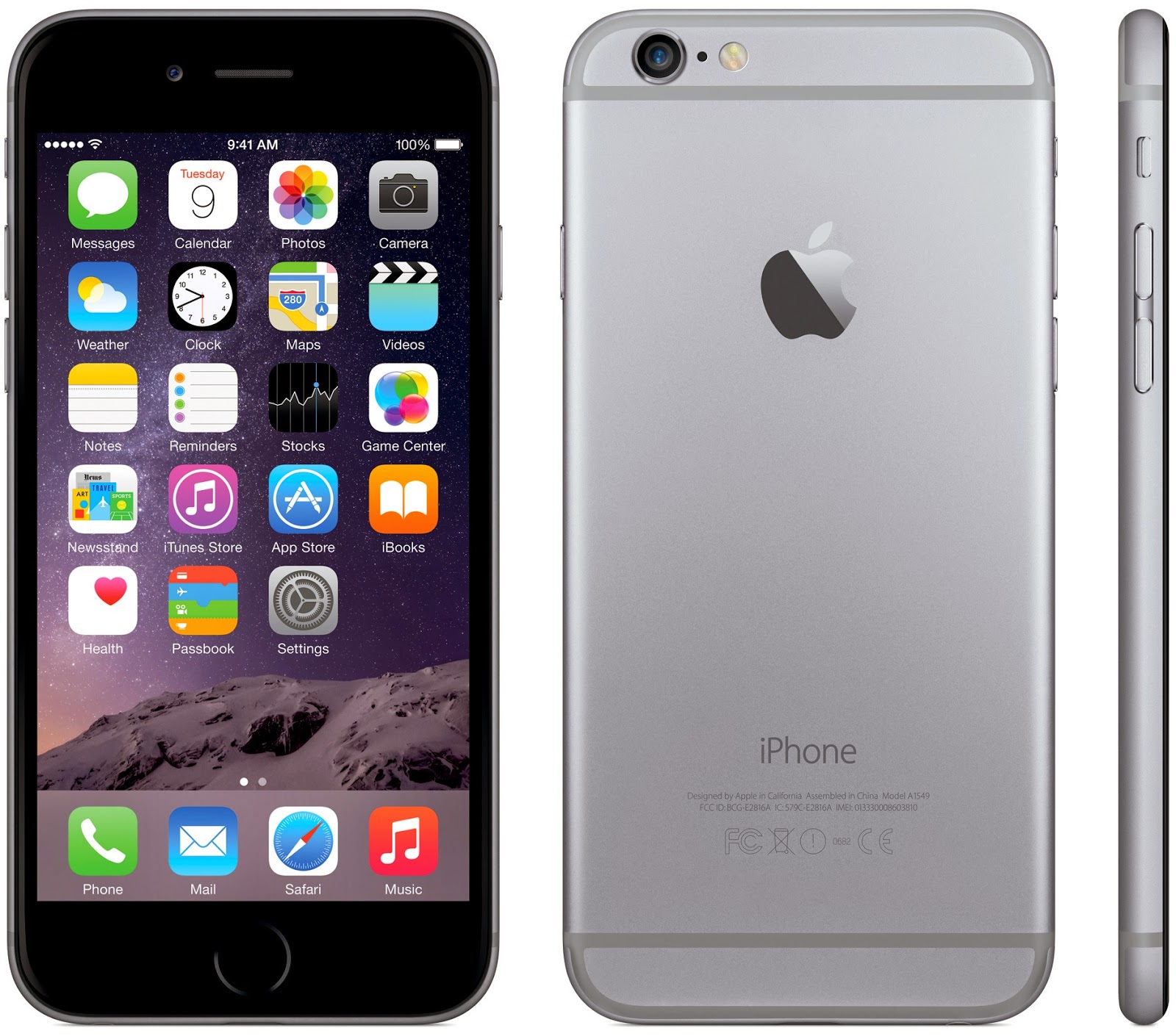
iPhone-6-pair
 
Before you do anything, make sure to back up your iOS device because this method will wipe your iPhone or iPad clean. Luckily, we have a handy guide on how to do just that.
First off, visit this website and download the iOS 8.1 IPSW for your specific iOS device. These files range between 1.5 GB and 2GB for iPhones and iPads, so be aware that it may take a bit of time to download them.
Once you have the file downloaded, plug your iOS device into your computer and open up iTunes. Go to your device’s summary page and hold down the Option/Alt key on your keyboard or Shift if you’re on Windows. Keep holding down the key as you click on Restore in iTunes.
Next, browse to find the IPSW file that you downloaded and open it. iTunes will begin restoring your iPhone and will install iOS 8.1.

iPhone-6

After the process is complete, your iOS device should now be running iOS 8.1 and you’ll now have the latest version of iOS that supports the Pangu iOS 8 jailbreak. From there, you can jailbreak your device, which again only consists of a few simple steps.
Before you jailbreak, it’s important to back up your iPhone or iPad again, that way if anything goes wrong you can easily rewind.

Jailbreaking iOS 8.1

Before you do anything else, it’s crucial that you first disable the passcode on your device by going into Settings > Touch ID & Passcode and turn off the passcode. You’ll also need to turn on Airplane Mode by swiping up from the bottom of your screen to open Control Center and tap the airplane icon.
Now comes the fun part. Head to Pangu.io and download the jailbreaking tool.

iOS-8-Cydia-tweaks

Once it’s downloaded, open the Pangu tool and plug in your iOS device. When it’s recognized by the Pangu tool, click on Start Jailbreak and then click Already Did.
Sit back and wait for the jailbreak tool to do its thing. Your iPhone or iPad will eventually reboot and you should get a finished message. From there, you can close out the Pangu tool and unplug your iOS device.
Lastly, open up Cydia and let it prepare the file system. After that, you can download and install tweaks and go crazy!

Apple iPhone 7 Preview

Whether it's called the iPhone 7 or iPhone 6s, details about Apple's next phone are already trickling out. Here's what we know so far

What we know: Apple iPhone 7

While the iPhone 6 and iPhone 6 Plus have themselves only been out for a few months, the iRumour mill has already begun spinning its mysterious web of speculation about its successor.
Will it be called the iPhone 6s or the iPhone 7? Will it get another screen-size boost? Will it shoot 8K video from its 32MP camera?
In truth, we don't yet know. But as the first snippets of info about it leak out, we can make some educated guesses and hopefully help determine which of the rumours to believe.
So on this page we'll be gathering together all the speculation, all the hearsay and, occasionally, all the actual hard news about the Apple iPhone 7 or iPhone 6s or whatever it's called. Read on for all of the latest.

READ MORE: Apple iPhone 6 review

What's in a Name?


Let's start off easy. Apple iPhone 7? Apple iPhone 6s? Apple iPhone Xtreme?
Only the first two options are likely, and judging by Apple's past behaviour, we're more likely to end up with another 's' device. Then again, Apple could ditch that system altogether and go straight for the 7. It's known for its sporadic naming systems, after all.
What do we think? We're going with 7 right now, based on the fact that iPhone 6s Plus sounds stupid.
Likelihood: 75%

A Familiar Face

If Apple follows its tried-and-tested iPhone formula, the iPhone 7 won't look drastically different from the iPhone 6 - retaining its Touch ID home button and organic, rounded appearance. The big design changes tend to skip a generation, leaving Sir Jony time to fine-tune his scribbles.
Still, that doesn't mean we can't have a little fun, does it?
Past rumours have pointed to liquidmetal being used to make up the iPhone's body, supported by an Apple patent outlining how the material could be used in future iPhones and watches.
The advanced alloy, made from a mix of aluminium, titanium, copper and nickel is more resistant to dents and scratches than aluminium itself.
While it sounds far-fetched, it's already used in some luxury watches and smartphones such as some of those made by Vertu.
Apple has also used the material to make some of its SIM ejector tools, as part of a low-risk test of its manufacturing capabilities. That may not represent absolute proof, but it's a good start.
Apart from fancy Terminator-like construction magic, we expect the lightning port, precision-drilled microspeakers and rounded corners to return.
Likelihood: 45%

The Screen

It's unclear whether or not Apple will release an iPhone 7 and a larger iPhone 7 Plus at this stage. But it seems likely that both will get upgrades. We also expect both to retain their screen sizes - so 4.7in for the iPhone 7 and 5.5in for the iPhone 7 Plus.
Size apart, it now looks less likely that the next iPhones will get sapphire displays.
Apple had been exploring the possibility of giving its iPhones sapphire screens for some time. Unscratchable to all things but diamond, a sapphire display would laugh in the face of keys, loose change, and even nails. Though why you'd be walking around with the latter jingling away in your pocket is beyond us.
Apple already uses sapphire to protect its Touch ID buttons and camera lenses from scratches, and the upcoming Apple Watch’s display will also be covered by the hardy stuff.
So the signs were there. Adding further fuel to the fire, Apple signed a multi-million dollar deal with GT Advanced Technologies in November 2013, providing it with the material and machinery to mass produce sapphire screens in larger numbers than ever.
However, that deal has now fallen through, and GT Advanced Technologies filed for bankruptcy last month. That doesn't mean we won't ever see a sapphire screen on an iPhone, but it seems unlikely that it'll make its way on to the iPhone 7, especially with all those sapphire-coated Apple Watches waiting in the wings.
Likelihood: 30%
Another possibility is the inclusion of a wraparound flexible display, Samsung Galaxy Note Edge-style, thanks to some Apple patents spotted earlier this year.
Designer Martin Hajek has rendered an edge-to-edge display that wraps around the home button. Because, well, why the hell not?
Failing that, we could, at the very least, see a reduction of the bezels, allowing the overall footprint of the device to shrink without cutting down the screen size.
Likelihood: 30%
And finally, of course, we have the resolution to consider. The iPhone 6s' screen is lovely, but it still has yet to reach the pixel-packed heights of a full HD display, let alone a 2K one.
We could see Apple grace the iPhone 7 Plus with a 2K screen and upgrade the standard iPhone 7 to 1080p. Stranger things have happened.
Likelihood: 75%

READ MORE: Samsung Galaxy S5 Mini review

The Best iPhone Camera Yet?

It's been a while since we've seen a megapixel boost in an iPhone, but the iPhone 7 could finally crack Apple's 8MP barrier with a jump to 13 or 16 megapixels. Then again, it could smash through it entirely with a 21MP sensor.
John Gruber, whose predictions have been accurate in the past, believes that "next year's camera might be the biggest camera jump ever".
According to his source, Apple is working on a two-lens system which somehow takes DSLR-quality photos.
It sounds too good to be true, but as Tech Radar points out, Sony - who supplies iPhones with camera modules - has already revealed a 21MP stacked CMOS sensor with 192-point autofocus for tracking and focusing on fast-moving objects.
Not so far-fetched now, is it? Well, maybe a bit, but we're swallowing plenty of salt while crossing our fingers all the same.
Likelihood: 30%
Megapixels aren't the only important factor however, and it would be great to see the optical image stabilisation of the 6 Plus make its way into the regular-sized iPhone 7.
That would allow for even better low-light shots, as the lens can remain open for longer, letting in more light, and throwing up more detail, without resulting in unusable blur.
Likelihood: 90%

More Muscle

It would make sense for the iPhone 7 to get the A8X processor that was revealed alongside the iPad Air 2 last month.
It's clocked slightly faster at 1.5GHz, which, on paper, means 13% and 55% nippier performance in single-core and threaded-core operations respectively. Not to mention a more powerful GPU for even more graphical grunt in games.
No, numbers aren't the be-all and end-all, but if the iPhone 7 does get blessed with the A8X (and, ideally, 2GB of RAM while we're at it), then we're definitely not going to complain.
Likelihood: 90%
The iPhone 6 finally brought Apple into the world of NFC, but it has yet to dip its toes into the wireless charging pool. The Apple Watch does have wireless charging smarts however, so Apple could choose to transfer them over to the iPhone 7 too.
Likelihood: 70%

iOS 9

There's very little information on iOS 9 at the time of writing, but we'll be sure to update this preview with new information as and when we get it.
We don't expect any major aesthetical changes from iOS 8, especially after the last big overhaul for iOS 7, which is fine by us. It's still gorgeous, after all.
As for what we want to see? Well, not to beat a dead horse or anything, but widgets, and general home screen customisation (such as the launchers on Android) would be nice for people looking to stand out from the crowd.
The ability to default to third-party apps for certain tasks would be great, too.
Go on Apple. You finally gave us third-party keyboards. Why not go the whole way, eh?

READ MORE: Samsung Galaxy Alpha Review

Price and Release Date


If past launches are anything to go by, the iPhone 7 should be released around 20 September. There's no reason to expect prices to change much either, so we expect it to launch at the same £540 mark as the current iPhone 6.
We'll update this feature with news and rumours as they appear, so keep it bookmarked for all the latest.

10 things you need to know about the 5.5in iPhone 6 Plus

The iPhablet exists, and we've got all the facts right here.

Alongside the 4.7-inch iPhone 6, Apple also revealed the iPhone 6 Plus, a 5.5-inch monster previously rumoured to be called the iPhone 6L. It’s the first ‘phablet’ the Cupertino giant has produced.
The iPhone 6 Plus matches its smaller sibling in many ways, but betters it in others. So let’s jump right in!

1. It’s the biggest iPhone ever


This is quite literally the case. Although the new iPhone 6 Plus resembles its smaller sibling, it pretty much dwarfs the iPhone 5s. It’s an iPad mini mini.

2. The iPhone 6 Plus has a 1080p display

The rumour mill was right that the larger iPhone would boast a 5.5-inch display, but what we didn’t know was the resolution. It’s 1920 x 1080, with a ppi of 401 - that’s over two million pixels. By comparison, the iPhone 6 resolution is 1334 x 750 at 326ppi and the iPhone 5s is 1136 x 640 at 326ppi.
That noise you can hear is developers quietly weeping.

3. It’s surprisingly thin


Despite its gargantuan dimensions, the iPhone 6 Plus is only 7.1mm thick - a mere 0.2 mm thicker than the iPhone 6, and half a cm thinner than the iPhone 5s.

4. There’s a new landscape mode

The iPhone 6 Plus will particularly enable you to take advantage of the new iPhone landscape mode for apps, two-column views that resemble those on the iPad. There’s also an extended keyboard, with handy shortcuts to useful commands and keys.

5. The iPhone 6 Plus has a ‘Reachability’ gesture

Apple wanted to make its giant phones usable in one hand, and so there’s a new gesture. Joining leftwards swiping for back is ‘Reachability’. Double-tap the TouchID button and the display slides down so you can reach things at the top.
No, we’re not kidding.

6. There’s a huge battery


Break apart an iPhone and most of what’s inside is battery. The iPhone 6 Plus’ larger frame provides more space for power, and that should result in a decent boost in time between charges. At worst, the iPhone 6 Plus will match the iPhone 5s, despite the much larger, power-hungry display. Mostly, though, it goes for longer. For example, you get 12 hours of 3G browsing, versus ten on the iPhone 6 and just eight on the 5s.

7. The iPhone 6 Plus has OIS

Optical Image Stabilisation is a unique feature of the iPhone 6 Plus. The lens can move, making for a more stable image, especially in low light.

8. But it’s otherwise an iPhone 6 embiggened

What we haven’t mentioned so far is the many great things about the iPhone 6 Plus that it shares with the iPhone 6. The new form factor is comfortable and beautiful; the A8 chip is insanely powerful, especially for games; the FaceTime camera has been improved, for sharper images; and LTE capabilities have been upgraded.

9. The iPhone 6 Plus is expensive


US pricing has been revealed to be $100 more than the equivalent iPhone 6 for each of the available models.

10. It’s available very soon

The iPhone 6 Plus will be on sale on September 19, with pre-orders starting on September 12. Judging by previous iPhone sales frenzies, if you don’t order one right away, your delivery estimate will be weeks away at best.
Here in India its Expected to Launch by 13 October.


ALSO READ:  The Newly Released Apple Watch Review
Tag : , , , ,

Apple iPhone 6 preview

Absolutely everything we think we know about the iPhone 6. Tempted?

The iPhone 6 remains (somewhat) shrouded in mystery - but that hasn't stopped the rumour mill from enthusiastically grinding away, and some whispers do have a ring of truth about them.
So then, what are the web's commentators saying about the iPhone 6? Well…

 Makeover time

It's almost guaranteed that the iPhone 6's appearance will be different enough from the iPhone 5s to earn it its all-new number.
Traditionally, ‘s’ devices have kept the same design as their predecessors, with major differences appearing on the insides, and Apple will get a lot of flak if the iPhone 6 turns out to be a 5s with faster innards.


Thankfully, that doesn't look likely. The iPhone 6 body has leaked countless times over the past year in various forms, and now actual (and apparently genuine) production cases have made their way into the hands of online tech aficionados.
The video above, courtesy of YouTube user iCrackUriDevice, shows off one of these rear cases, and it clearly shows off Apple's new design in all its glory.
It's immediately obvious that the iPhone 6 will likely arrive with a bigger screen. The case is larger than the iPhone 5s, and its thinner, with a much rounder design.
One big change is the relocation of the power button from the top to the right hand side, where it will be easily accessible with your thumb, Samsung Galaxy-style.
Looking at the rear, the pill-shaped flash cutout has been replaced by a circular one, suggesting that Apple has either ditched its dual two-tone LED flash, or it's managed to cram both LEDs into a circular space.
The volume buttons however, have appeared to do the reverse. They are now a thinner pill shape, falling in line with the iPod Touch, as opposed to the circular buttons currently found on the iPhone 5s.
Looking at the internals of the case, we can see a slight recess over the Apple logo cutout. This, combined with the fact that previous Apple logos weren't left as cutouts, suggests that the logo will light up, like the ones found on its MacBook brothers.
This is supported by previous photos leaked by uSwitch (with the aid of famed Apple leaker Sonny Dickson), which show off the rear housing of an iPhone 6, with a plastic panel that's thin enough to let line shine through it.
Apart from attracting moths, the logo could be used as a blinking notification light - a handy function if the device is face down.
Back in June, GSM Arena snaffled a picture of the phone alongside its likely main rival, the Samsung Galaxy S5.
The image shows off the expected larger screen, along with a clearly visible power switch on the right edge.
Another iPhone 6 dummy leak courtesy of G for Games also emerged, this time apparently of a non-working dummy model.
The first image above shows it next to an iPhone 5s and HTC One (M8). As you can see, it's not far off the size of the latter.

A trio of iPhone 6 dummy units in gold, black and grey leaked online in July,
The photo matches up with all previous iPhone 6 leaks, although the exact size is hard to determine without a regular iPhone 5s for scale.
iPhone vendor Feld and Volk has released more photos of the iPhone 6 case. A close-up of the volume buttons show that they're recessed, which could reduce the chances of accidentally adjusting the volume while it's in your pocket.

Android-matching screens

The iPhone 6 will almost certainly have a larger screen than the 4in display of the iPhone 5s, and it could very well arrive in two models - one with 4.7in screen, and another 5.5in version.

April saw an iPhone 6 manufacturing mould leak, pointing to at least one larger iPhone in the works. French site Nowhereelse.fr scaled up the image using the iPhone 4s for comparison, and it suggests that we could be looking at  a 4.7in screen size, which fits in with all of the previous rumours we'd seen up to that point.
In June, Italian site Macitynet posted images of an iPhone 6 dummy unit alongside the iPhone 5s and a Samsung Galaxy S5. The pictures support rumours of a taller, wider iPhone 6, with rounded edges and an all-black anodised aluminium finish. Also notable is the protruding camera array, similar to the design of the current iPod Touch.
And as for the 5.5in phablet version - A fellow called Jimmy Lin (who leaked the iPhone 5c before its launch last year) went on to repeat himself by leaking the iPhone 6 in June.
Lin shared pictures of an allegedly genuine iPhone 6 on Chinese site Weibo, after previously leaking images of the smaller 4.7in model, which he stated was a beta unit for testing purposes.
His latest picture showed off the larger size of the 5.5in iPhone 6 against what appears to be an iPhone 5s being repaired.
It's hard to tell whether or not the unit is genuine, but given Lin's past leaks, we could be looking at the real deal.
More leaked shots from Feld & Volk show off a close-up of the iPhone 6's rear Apple logo, which is apparently made from an extremely scratch-resistant material, which could be liquid metal, though there's no way to confirm this at this stage.
The iPhone 6's insides have come under the microscope once again, with a number of leaked photos of the phone's components appearing on French site Nowhereelse.fr. The shots lend credence to similar component pics leaked by Feld & Volk; the most interesting image shows off a separate metal logo piece that appears to be identical to the one seen in the earlier leak. Other leaked components include the reverse of the Home button, the headphone jack and Lightning port and the cover of the SIM card port.
Apple could be set to end USB aggravation with a Lightning cable that sports a reversible USB connector.Nowhereelse.fr have shown off snaps of the accessory, which sports a USB connector in the centre of its metal housing – meaning that you can plug it in either way up. Adding fuel to the fire, Apple filed a patent in 2013 for a reversible USB connector. The connector differs from the similarly reversible USB Type-C connector announced last week; the rumoured Apple connector should fit into current Type-A receptacles.

Bloomberg's source also added fuel to the dual iPhone rumour flames once again. The source stated that Apple will release a 4.7in and 5.5in iPhone in September, both of which will feature rounder and thinner designs, which matches up with all the leaked pictures we'd seen to date.
The screens will also apparently taper off towards the edges, thanks to some curved glass magic, which should make the new iPhones feel even thinner.
The rumour came straight after leaked model photos of the iPhone 6, iPad Air 2 and iPad Mini 3, which indicate that all three devices will sport Touch ID Home buttons. No surprises there.

Super Sapphire

There are also rumours that the iPhone 6 will feature a super-hard sapphire glass display, which will be produced by GT Advanced Technologies - the company which already produces the camera lens and Touch ID home button sapphire glass sections for the iPhone 5s.

Nothing short of a diamond can scratch pure sapphire, so this is promising news for scratch-phobic gadgeteers.
More recently, YouTuber Marques Brownlee scratch-tested a reportedly genuine iPhone 6 screen, and although it was still marked by sandpaper, it held up noticeably better than the iPhone 5s' display.

This could be due to the fact that the iPhone 6's screen is a sapphire display hybrid, as opposed to a pure sapphire screen. This is supported by the visit of MIT's Kevin Bullis to GT Advanced technologies, where he saw a machine slice of a micro-thin layer of sapphire, which could then be laid over a regular glass panel.
This would explain the iPhone 6 screen's improved (but not invincible) scratch-resistance.

The best look at the iPhone 6 yet  (sort of)


YouTuber Tom Rich also managed to get his hands on a non-working 4.7in iPhone 6 dummy unit, and he compares it to rivals like the Samsung Galaxy S5 and HTC One (M8), before super-imposing iOS8 into the unit's screen, showing off the difference in size between the current iPhone 5s' 4.3in display.
The 4.7in iPhone 6 model is only slightly smaller than the 5in Galaxy S5 and HTC On (M8) rivals, implying that the 5.5in version might be uncomfortable to use one-handed for people with regular-sized hands.

10 things Apple should totally steal from Android for iOS 8 and the iPhone 6

From more inter-app communication to app installs from anywhere, here are the Android features we’d like welded to our iPads and iPhones 


IPhone 5S preview

The iPhone 5S is, alongside Apple's mid-range iPhone 5C, the most eagerly-awaited smartphone of the year.With Apple officially announcing its existence, its specifications, its price and its release date, we can finally take a closer look at what's coming later this month.


WHY IPHONE 5S?

There was a time when there was much debate over the name of the next iPhone. Stuff even broke a story which featured a photo of a Vodafone inventory which had iPhone 6 in the listing. But as more rumours flooded in, it became pretty clear that we'd be seeing another S model iPhone – the iPhone 5S. And that has turned out to be the case.
For starters, the 5S is externally almost exactly the same as the existing iPhone 5, including the same 4in screen size. There are some notable differences, namely the larger flash (which means some iPhone 5 cases won't fit properly), the steel-rimmed Home button (more on that later) and the all-new colour finish option, but aside from those it's nearly indistinguishable from its predecessor.

IT'S GOING QUAD-CORE

The iPhone 5S will arrive packing an all-new quad-core A7 processor supporting 64-bit architecture. It's 56 times faster than the original 2007 iPhone and around twice as powerful as the iPhone 5's A6 CPU. It supports OpenGL ES 3.0 for extra graphical eye candy (particularly useful in high-end video games).
Alongside this A7 chip is an M7 coprocessor. Packed with sensors (accelerometer, gyroscope and compass), it's constantly collecting data that Apple promises will usher in a new generation of fitness and health apps. It's even doing so when the phone is in standby, saving battery power.
Battery power is in fact boosted quite notably, with Apple claiming a charge will deliver either 10 hours of talk time (over 3G), 10 hours of 4G web browsing, 40 hours of music playback or 250 hours of standby time.

IT'LL HAVE DOUBLE THE FLASH

The iPhone 5S's camera remains 8MP, but Apple has increased each pixel's size by 15 percent to offer enhanced light-grabbing abilities. There's also a larger F2.2 aperture, digital image stabilisation and an all-new dual-LED flash, all of which should greatly improve performance, especially in low light. The flash is dubbed "True Tone" and offers over 1,000 colour temperature combinations, the idea being to ensure skin tones remain realistic even in odd lighting conditions.
Apple has added a couple of software features to the camera too: there's the ability to shoot stills in a continuous burst mode (up to 10fps) and pick out the ones you like best (or have the phone do that for you); and you'll be able to capture HD video in 120fps speed in order for ultra-smooth slow motion playback.

IT'LL HAVE A SMARTER HOME BUTTON

The trusty Home button isn't going anywhere. It's just evolving, and it'll be a lot smarter in the iPhone 5S.
The key is the Touch ID sensor hidden beneath a surface of scratch-proof sapphire glass. This advanced fingerprint scanner can be used to unlock the phone and authorise iTunes purchases instantly. And if you're worried about hackers or, worse, government snoopers grabbing your fingerprint details for nefarious means, Apple says don't sweat it: the data isn't stored on their servers or in the cloud but on the phone itself. It also supports multiple fingerprints, so you can give access to friends and family if you wish.

IT'S GOING TO RUN IOS 7

The iPhone 5S will ship with iOS 7 as standard. The stripped-down OS has had itsskeuomorphic design obliterated by Sir Jony Ive, and it's got a refreshingly clean interface which streamlines the user experience. Plus, with iBeacon indoor navigation and support for game controllers, it's got plenty of new tricks to breathe a new life into the iPhone experience.

IT WILL COST SLIGHTLY MORE THAN THE IPHONE 5

Some had predicted pricing in line with the iPhone 5, but Apple has upped things very slightly: SIM-free 16GB, 32GB and 64GB iPhone 5S models are £550, £630 and £710 respectively.
It's not cheap, certainly, but Apple is banking on those looking for a more affordable alternative turning to the new iPhone 5C, which starts at £470. An iPhone 4S 8GB model will also remain on sale, priced at £350.
You'll be able to buy the iPhone 5S (and all the new models) from 20th September 2013.
But You Will Have To Wait For The Release In India

Iphone 5C Review

Here's everything you need to know about Apple's brightly coloured plastic iPhone 5C


       The plastic iPhone is back. Meet the iPhone 5C.
Unveiled alongside its gold-clad 5S brother, the iPhone 5C is a direct replacement for the iPhone 5 and it made quite the impression at Apple's launch event, splashing down with loud, retina-searing colours.
It represents a dramatic change in strategy for Apple, which has until now relied on its previous-generation models as more budget-friendly options. And we think its combination of solid hardware, updated iOS 7 software and the classic Apple marque has the potential to make it massive.
Read on to find out everything you need to know about the iPhone 5C


PLASTIC FANTASTIC

The iPhone 5C is crafted from hard-coated polycarbonate with a reinforced inner steel structure and will arrive in green, blue, red, white and yellow. No sensible black here folks.
There will also be a variety of multi-coloured cases which, once administered, will turn your iPhone 5C into a raving Dalek.

IPHONE 5 AT HEART


Within the candy coating of the iPhone 5C beats the heart of an iPhone 5. The same dual-core A6 processor returns, as does the 1GB of RAM, 4G support and 16GB and 32GB storage options.
The 8MP rear camera keeps its single LED flash, but the front camera has had a boost and should work better in low light conditions. There's also a slightly larger battery thrown in for good measure, which will be welcome news to power users. How much difference that will make however remains to be seen, so hold out for our full in-depth review.
The crucial difference of course is that the iPhone 5C will come with the re-designed iOS 7 straight out of the box which means an all-new look and new features including AirDrop, Control Centre and iBeacons.

IT'LL FUNK UP YOUR LIFE IN SEPTEMBER

The iPhone 5C will be available to pre-order from 13 september for £470 for the 16GB version.
The 32GB model will set you back £550 and you can pre-order it directly from the Apple Store, and both models will hit shelves on 20 September.
Lets Wait For The New iphone To Release In India

Samsung Galaxy S4 vs LG Optimus G vs Iphone 5 vs HTC One


LG has just unveiled the G2, its new flagship Android phone and a concerted attempt by the Korean company to enter the smartphone big leagues. But how does the G2 size up against three of its chief rivals: the Samsung Galaxy S4, the HTC One and the mighty Apple iPhone 5? We break it down for you below.

The LG G2 is the first smartphone to sport Qualcomm’s quad-core Snapdragon 800 chip, here clocked at 2.26GHz. It’s teamed up with 2GB of RAM. That sounds like an awful lot of processing power.

Hardware

The iPhone 5 has a proprietary dual-core 1.3GHz A6 chip and 1GB of RAM, and the HTC One rocks a quad-core Snapdragon 600 running at 1.7GHz and 2GB of RAM. The Samsung Galaxy S4 also sports 2GB of RAM and a Snapdragon 600, but it’s clocked slightly higher than the One at 1.9GHz. All, on paper, lag behind the LG G2. But will that translate into real-world performance? We’ll have to reserve judgement until we get our mitts on a review unit.

Apple Iphone 5 Review


Android has attacked the iPhone more viciously than ever this year, resulting in the HTC One X and Samsung Galaxy S3 knocking it from the pinnacle of  smartphone top ten. Apple needed to reply with something special, something game-changing – and here it is.


The iPhone 5 is longer, leaner, faster, packs super-quick 4G networking and the brand-new iOS 6 operating system. It's probably the most leaked and most speculated-upon gadget in history. But it does seem to be missing that one knockout feature that would guarantee its place in the smartphone history books. Has it done enough to be a chart topper again?


SCREEN

This is the first iPhone without a 3.5in screen, and the first to adopt the 16:9 widescreen format preferred by Android rivals. The width of the screen is the same as ever, and has the same resolution as the 4S (640 pixels), but the height has been increased from 960 to 1136 pixels, yielding a 4in display with the 'Retina' credentials of its predecessor. It's not quite 720p HD, but it's not far off (roughly 80% the number of pixels, fact fans).
The screen somehow feels closer than ever. A new manufacturing process means the touch sensors are now one with the LCD, which means the whole assemblage is thinner. It's still incredibly crisp, and it's more colourful. Blues and purples particularly ping, compared to the 4S, and photos look that bit shinier as a result. Compared to the yellowish Samsung Galaxy S3, whites are whiter and colours generally more natural.
The biggest change, of course, is the extra space. When moving from an older iPhone, the taller screen seems a little peculiar at first, but it's a matter of minutes before you wouldn't go back. We reckon it's a sensible size: 4in in a 16:9 ratio is just about big enough for movies on the move, and the extra space accommodates an extra line of apps and a few extra entries in lists and calendar views, all the while staying small enough for comfortable one handed use.
Could Apple have usefully gone bigger? The Galaxy S3 suggests it could, particularly for films and games, but Apple has its smaller-handed users to consider, and the resolution would also have had to increase to retain that Retina moniker. Oddly, the extra space isn't utilised by the landscape keyboard, which just has a couple of grey buffers to either size. A missed opportunity, we reckon.
Also, it's only Apple's own apps that take advantage of the extra screen space right now. Existing apps are confined to the central area of the screen with black 'untouchable' strips at either end, but essential iOS downloads are bound to be updated to fill the whole iPhone 5 display sooner than you can say 'widescreen Angry Birds Space.'

DESIGN AND BUILD

Glance at the iPhone 5 and it could very easily be a 4S: the flat edges and rounded corners are iconic to the point of being a little bit dreary. The back is where the action happens, as the glass has been mostly replaced by a panel of wraparound aluminium, leaving only glossy top and bottom strips.
On one side there's a slightly smaller (and less substantial-feeling) lock/mute switch next to the recognisable volume controls, while on the other there's a slot for the new Nano-SIM - if you're planning to upgrade to the iPhone 5 you're also going to need a new SIM card.
Pick it up for the first time and the reduced weight and thickness is rather striking. The 112g weight and 7.6mm thickness mean it's neither the lightest nor slimmest phone in Gadgetland, but it's not far off, and it is noticeably more pocketable than the Samsung Galaxy S3.
All told, the handset doesn't feel that aluminiumy, certainly not in the way aMacBook Air does, but the quality of finish is exemplary, particularly around its diamond-cut edges. It looks and feels as though the iPhone 5 has been styled for stealth rather than showing off, but we suspect that will please as many people as it disappoints.
We're torn as to whether it's an improvement over the 4S, though. On the one hand, it's a fresh look, and that back panel is drop-dead beautiful. On the other, the 4S'extra weight lends it a more substantial feel, and we worry about how long the 5's anodised finish will stay pristine. Let's call it a draw.

DOCK CONNECTOR

Thunderbolt and Lightning, very very frightening? If you've just bought a pricey iPhone dock it might be, because the iPhone 5 has ditched the almost-10-year-old 30-pin connector and replaced is with the tiny, all-digital Lightning connector, which means your new phone isn't going to fit.
Apple is launching two adapters, but they're expensive (although there are good DAC-flavoured reasons for the prices) and big enough to at best ruin the look of your sexy sound setup, and at worse ensure it doesn't fit at all.
But change is occasionally necessary, and Lightning is certainly more elegant than the 30-pin. It's reversible, it feels robust, and on the bright side it means we can expect a whole raft of new docks in the near future (Apple announced partnerships with audio luminaries Bose, Bowers & Wilkins and JBL on launch night). Lightning-to-HDMI and Lightning-to-VGA (yep, apparently one or two people out there still use VGA) adapters are also planned.
Straddling that Lightning port is a pair of tiny chassis screws, and beyond that are two sets of machined grilles, covering a microphone and a speaker. The latter won't get anyone body-popping, but it is loud and clear enough for hands-free calls, sat-nav instructions and irritating everybody on the bus. The 3.5mm headphone socket is, for the first time in iPhone history, on the bottom edge rather than the top.

EARPOD EARPHONES

But what should you plug into that headphone socket? Apple would implore you to try out the all-new EarPods, which come as standard. They look great, and they're a huge improvement over the old bundled buds, but they're not perfect. Apple has opted for one-size-fits-all comfort, so the EarPods sit outside the ear canal rather than burrow right in. That means there's very little noise isolation, so you'll be able to hear what everyone around you is chuntering on about and they'll be able to hear you listening to Luther Vandross.
If you're the make-do type when it comes to headphones you'll be getting far better sound quality from your bundled buds this time around, but if you have even a passing interest in sound quality you should budget for a better pair, such as the SoundMagic E10s.

SPEED

The new processor, Apple's A6, makes a palpable difference to the overall speed of the iPhone 5. Compared to the iPhone 4S there are shorter in-app loading times, smoother 2D and 3D graphics and a general reduction in waiting when you're zipping around from one app to another. Siri opens immediately, adding attachments to email is completely lag-free, the camera is up and running almost instantly, and that chip means it's now also capable of snapping a full-res shot during 1080p capture. If that doesn't sound quite exciting enough, allow us to be more definitive – this is the fastest, smoothest, most seamless smartphone experience money can buy.
A little bit of casual benchmarking using the GLBenchmark Egypt High test yielded a score of 6766, while the iPhone 4S got 1158. The Offscreen test was closer: 16681 vs 8346. This looks like a lot more than day to day usage bears out, but it suggests that there's headroom for the iPhone 5 to do some pretty impressive stuff.

CAMERA

On paper the iPhone 5's snapper looks very similar to the iPhone 4S' – same 8MP resolution, same f/2.4 lens. But there have been upgrades. 1080p video is excellent for a phone, matching the Samsung Galaxy S3's footage in good conditions and beating it whenever the lighting conditions throw up challenges such as high contrast or general gloominess.
The iPhone 5 is equally capable when capturing stills, with a neat new Panorama feature and the ability to dig up detail from twilight and indoor scenarios that's remarkable by smartphone standards. Just look at these sample images for a comparison: iPhone 4S above, iPhone 5 below.
On the downside, the lens is still in the wrong place. It looks neat tucked into that corner, but it makes the phone hard to handle in landscape mode – and it's all too easy to blot out vital footage with a drifting digit.

IOS 6

Even more familiar than the iPhone 5's design is the grid of apps that makes up its iOS homescreen. The way iOS works hasn't really changed since 2007, and iOS 6sticks pretty rigidly to the programme. While certain Stuffers are among those looking for a more fundamental update that would give the iPhone a 'living' feeling as seen in Android's widgets and Windows Phone's live tiles, beneath iOS 6's familiar looks are a number of handy tweaks.
There are obvious touches, such as the 'New' flash that appears across across the icons of any app you've just downloaded, and the sticky gum visual that stretches from the top of the email app as you drag down the list to pull in new messages. Then there's the new 'Do Not Disturb' feature hidden in the settings menu, which allows you to specify how contactable you are to different callers.
Social features have had subtle upgrades, too. Facebook is now just as integrated as Twitter, allowing you to post photos direct from the (also subtly upgraded) Photos app and using Siri. Friends' birthdays appear in Calendar and phone numbers in Contacts. Got too many friends? Birthdays every day? You should have thought of that before you befriended them all.
The shared Photo Stream can be set to send a notification to your nearest and dearest whenever you add a new photo, Facetime now works over 3G as well as Wi-Fi, and there's a VIP inbox into which messages from your chosen contacts are automatically filtered and that notifies you whenever you receive an important missive. Just as usefully, you can now assign different email signatures to different accounts.
Nothing is exactly revolutionary, though. Apple has decided that iOS isn't broken and so hasn't issued a fix. To be fair, it's a brilliantly intuitive operating system to live with; it's just that the widget-based homescreens of Android are more exciting, more instantly informative and more, well, new. For now this link in the iPhone's chain is holding, but it's weakening.


APP STORE AND ITUNES

Both the onboard iTunes and the App Store apps have been given a refresh and now look much more like their desktop counterparts, pulling in more information on each page and reading less like a list. There are now numerous flickable carousels to browse and tabs to click on for more comprehensive user reviews and ratings. As with many of the iOS tweaks, these changes are so intuitive that you might not even notice at first, but in the long-run this is a slicker, more user-friendly and better looking digital shopping experience.
As for apps in general, they mostly run with those aforementioned untouchable black bars – but that doesn't stop the variety and quality on offer being head and shoulders above those on Android and Windows Phone. The huge pile of entertainment and productivity that is the App Store remains iOS' killer feature.

MAPS

Much has been made of the severance of Google Maps from iOS 6, and rightly so – navigation is now a fundamental feature of the smartphone experience. Google Maps got the heave-ho so that Apple could introduce its own map app, and for users the switch is something of a mixed blessing.
The headline feature is 'Flyover', which introduces interactive 3D city models. Coverage is currently limited to a handful of cities worldwide, and the practical applications of the tech are limited, but we challenge your jaw not to drop as you zoom in and spin your map around the circumference of London's Gherkin. A gimmick? Sure, but one that we've fallen for wholeheartedly.
On the other hand, Maps can also be used as a full-on sat-nav, with voice-augmented turn-by-turn navigation, ETA, live traffic updates and more. It's decent, but a distance behind Android's Google Maps in terms of its search skills and knowledge of the vagaries of local dead ends and one-way systems. 
LATEST UPDATE: Don't call it a comeback but the arrival of a Google Maps appmeans the iPhone 5 has jumped above the HTC One X+ in Top Ten Smartphones.


SIRI

iOS 6 has brought with it some neat new features to make Siri far more useful. For example, we asked the poorly constructed question "What are the best films showing around here later on today?", and Siri almost immediately presented us with a list of films showing that evening in our two nearest cinemas, ranked according to their score on Rotten Tomatoes. Dredd was ranked higher than The Dark Knight Rises, but we're not going to hold Siri accountable for that.
We followed up with "How did Tottenham do at the weekend?" and were treated to the glorious 3-1 scoreline Spurs recorded over Reading two days previously, closely followed by a deflating look at the Premier League table. Services are limited (the football results are Premier League-only), but we do also get the local businesses functionality that our US cousins have been enjoying since launch. Most importantly, there's been a significant improvement in Siri's ability to turn convoluted questions and commands into worthwhile responses, making the whole experience more natural and conversational.

4G AND CONNECTIVITY

Possibly the iPhone 5's most trumpeted feature is 4G LTE, theoretically capable of pulling data from the ether at up to 100Mbps. We couldn't test it out as EE's 4G nano-SIMs aren't yet available, instead making do with O2's DC-HSPA. This theoretically tops out at 42Mbps, compared with the iPhone 4S' 14Mbps HSPA, and while we got nowhere near either speed, the 5 was noticeably faster loading pages on the go than the 4S was.
There's also a boost for home users thanks to dual-band wireless-n Wi-Fi. Again, this makes for extremely nippy downloading – in our experience, the iPhone 5 installed new apps in about half the time that the iPhone 4S took.
Call quality is supposedly also top-of-the-line on the iPhone 5, although we have to say, we didn't notice. It supports HD Voice services, using a better audio codec to make speech clearer. Again, we didn't get to test this, but as it was, phone calling seemed just fine. There was no noticeable 'death grip', and the dialler has also been neatly redesigned for the bigger screen.

NFC?

If you, as we, were hoping Apple was going to give NFC the shot in the arm it so desperately needs, we have bad news – waving your iPhone at the contactless pay machine in Marks & Spencer will get you nothing but odd looks from staff. However, Apple has added an app to iOS 6 called Passbook, which allows you to keep all of your loyalty cards, gig tickets and boarding passes in a single, digital wallet. Think of the British Airways app, which makes checking in and progressing through the airport a simple, paper-free affair, and you're on the right lines.
Passbook is also location- and time-aware, so will fling up your boarding passes when you're at the airport or show you your cinema tickets just before the show. In theory, anyway – it wasn't live at time of testing.

BATTERY LIFE

In our tests the iPhone 5 lasted just as long as its predecessor, and you can expect to get 8-10 hours of normal use out of it and up to five hours of heavy use, watching YouTube over Wi-Fi for instance. Most will need to charge it every evening, but eco-users could eke out an extra day. It won't generally be gasping for a charge at bedtime unless you've been indulging in serious gaming, tweeting or sat-navving during the day.

PRICE

The iPhone 5 is not cheap. If you're going SIM-free, prices start at RS. 37000 for the 16GB version and rise to an eye-watering RS. 42000 for 64GB.
Many will be going down the contract route, which is why we've put together a comprehensive guide to the best iPhone tariffs on all the major networks. To cut a long story short, an iPhone 5 contract will still cost you more than one for any other phone, and that's before you factor in EE's 4G tariffs, which haven't yet been announced.

UPDATED VERDICT

So is the iPhone 5 worth the money? And has Apple done enough to reclaim the top smartphone spot?
In the flesh the iPhone 5 is a delight. And if it feels just right, it performs even better with flawless operation, an excellent camera and a screen that's downright stunning. It's not flashy and it's not radical but it is a significant improvement over what was already an excellent device and it still has the best selection of apps available on any handset. 
But we can't ignore the chink that iOS 6 creates in the iPhone 5's armour. With Google Maps in exile and Apple's own Maps app performing considerably below par, the iPhone 5 – not to mention any previous iPhones or iPads updated to iOS 6 – is trailing behind in one crucial way. Put simply, you just can't trust the maps on an iPhone any more.
It's still a 5-star handset, and it has the potential to be the best phone you can buy. So, Apple – hurry up and fix the maps, won't you?

- Copyright © wapwing.blogspot.com - Wapwing Tech Blog - Powered by Wapwing.Inc - Designed by Om Rajput -